For a while, I had been trying to avoid this conversation.
Dr. Amitabha called Sakib and me to his room and told us what he wanted. He wanted the two of us to take over the Robotics Club of BRAC University, commonly known as ROBU. We could also choose a General Secretary, even though the club had not previously used that position.
By then I had already stopped running away from the idea completely. I was still nervous about it, but I was also curious. Managing a university robotics club meant dealing with students, faculty members, university administration, sponsors, events, competitions, and all the technical work that was already happening. I had always been more comfortable building things than managing people. This looked like a problem worth trying.
So I accepted it as a challenge.
The timing was not ideal. The club had gone through a difficult period, several senior members had left, and when we took over there were only around twenty to twenty-five active members. Hirok and Narjis, two people I had spent a large part of my university life working with, were also close to leaving university. That part felt strange. You spend years seeing the same people almost every day, and then university does what it always does. People graduate, and everything has to continue without them.
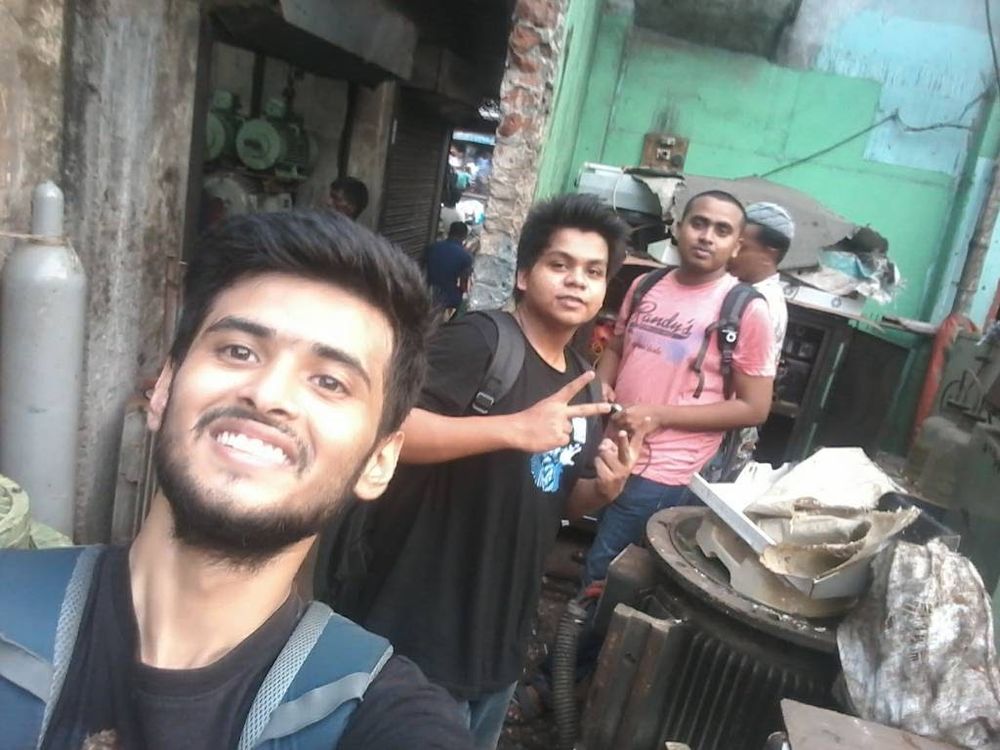
The first useful decision was adding someone unlike us
Sakib and I were both heavily technical. If the management became another technical team, we would create our own blind spots. We wanted someone who understood people and events better than we did.
Farabi was an obvious choice for General Secretary. He had joined with a group of friends and had already shown that he could handle people and events well. More importantly, we trusted him.
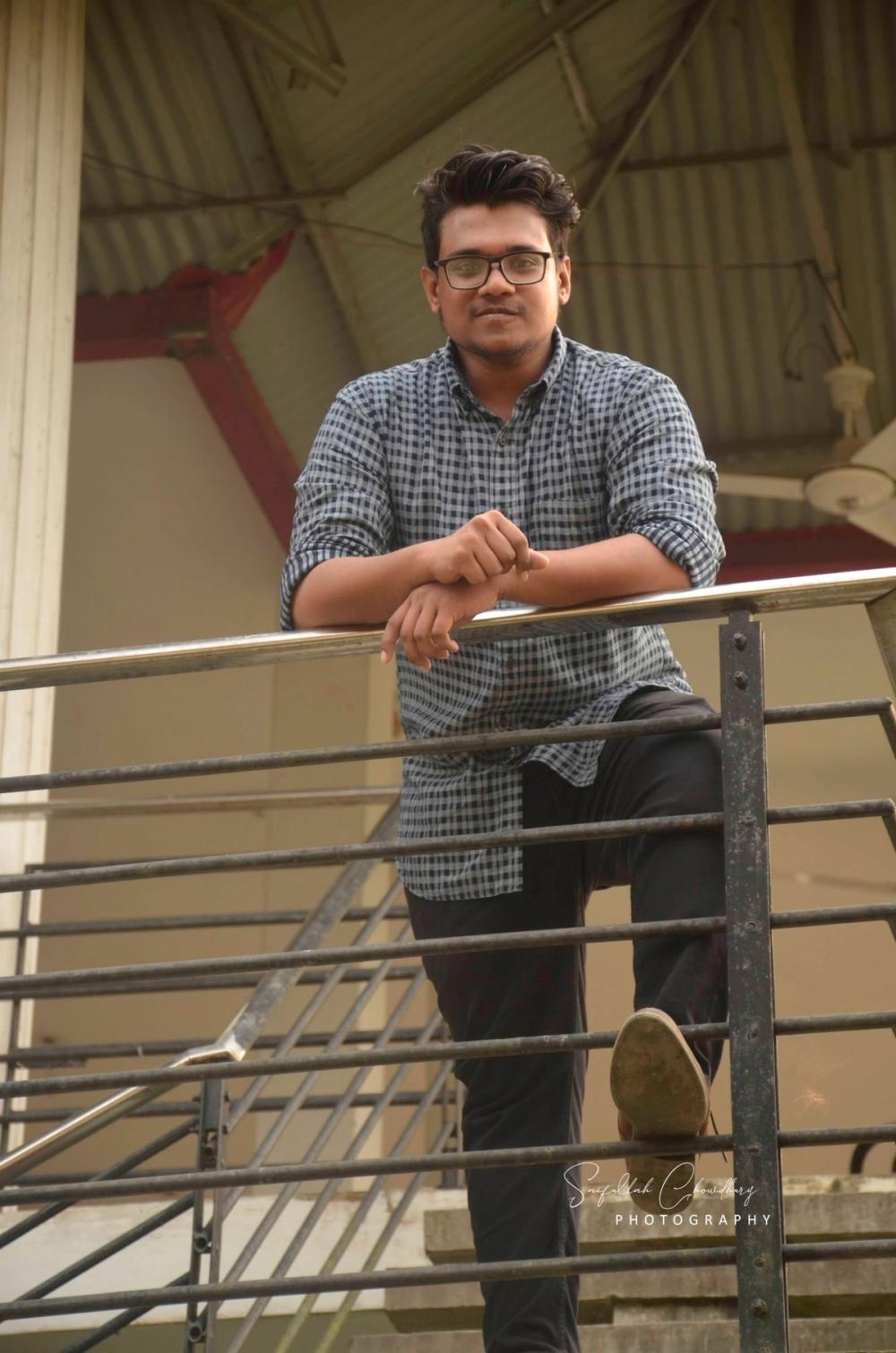
That gave us a small management team of three. More importantly, we were not starting from zero. There were already people around us whom we had worked with enough to trust, and that made delegation much easier than I understood at the time.
I had also spent enough time across different parts of ROBU to understand how the departments worked and what different kinds of work required. That helped me recognize who was good at what, give them the context they needed, and trust them with ownership.
Do one thing, make it repeatable, then leave it
We did not start by trying to reinvent the club. The first job was keeping the things that already worked.
The free introductory workshop, Basics of Robotics, continued at the Mohakhali campus. We also continued robotics activities during BRAC University's Residential Semester. At the time, that happened at TARC, the residential campus where students spent a semester away from Dhaka.
None of this had appeared suddenly. These workshops had been built up one by one over the previous years. If you are curious how that part started, I wrote about it in Learning Robotics by Teaching It.
My first instinct was to add many more things immediately. That did not last long. I learned that starting ten activities is easy. Keeping ten activities alive every semester is the actual problem.
So our strategy became simple. Start one activity. Run it ourselves if necessary. Find people who can take ownership. Hand it over. Only then start the next one.
A workshop should not stop because I was busy. A competition preparation program should not disappear because Sakib had an exam. If someone else could run it, then the activity had become part of the club rather than part of one person's schedule.
That changed how I thought about management. Before taking the role, I had imagined management as a lot of meetings and people problems. Instead, I started enjoying the ability to think at a larger scale.
Before competitions, we had always gathered students and said, roughly, we are targeting this event, so start preparing. But competition preparation also needed tracks, practice space, components, schedules, and small decisions that slowed everything down.
Once we were managing the club, much of that friction disappeared. We had our own room. We could organize practice ourselves. If a line-follower track cost around a thousand taka to print, the university would usually support us. If funding was delayed or unavailable, a group of students could split a relatively small cost and keep moving. We did not need every small obstacle to become a reason to stop.
That freedom made competitions easier to target regularly. More importantly, it showed me why I had started enjoying management. I could still build things, but now we could also create an environment where many other people were building at the same time.
Making robotics visible outside the club room
We wanted robotics to feel bigger than a department inside one club.
Our management team was always thinking about how we could increase the club's footprint, make it more visible, and make it more fun for students. One idea we came up with was a project showcase at the end of each semester. Several university courses required students to build hardware projects. Those projects normally belonged to individual classrooms and individual faculty members. We wanted to put them all in one place.
The idea was straightforward: invite students from different hardware-related courses to bring their projects to the university auditorium and show them publicly. Other students could walk in, see what people were building, talk to the teams, and discover that robotics and hardware work existed all over the university, not only inside ROBU.
It also gave us a reason to work with faculty members beyond our own advisors. Dr. Khalilur Rahman, Dr. Amitabha, and Saiful Islam were already close to the club. The showcase helped us build relationships with other faculty members teaching hardware courses as well. People such as Dr. Ashraful and Ghulam Rabbani were extremely supportive when we approached them.
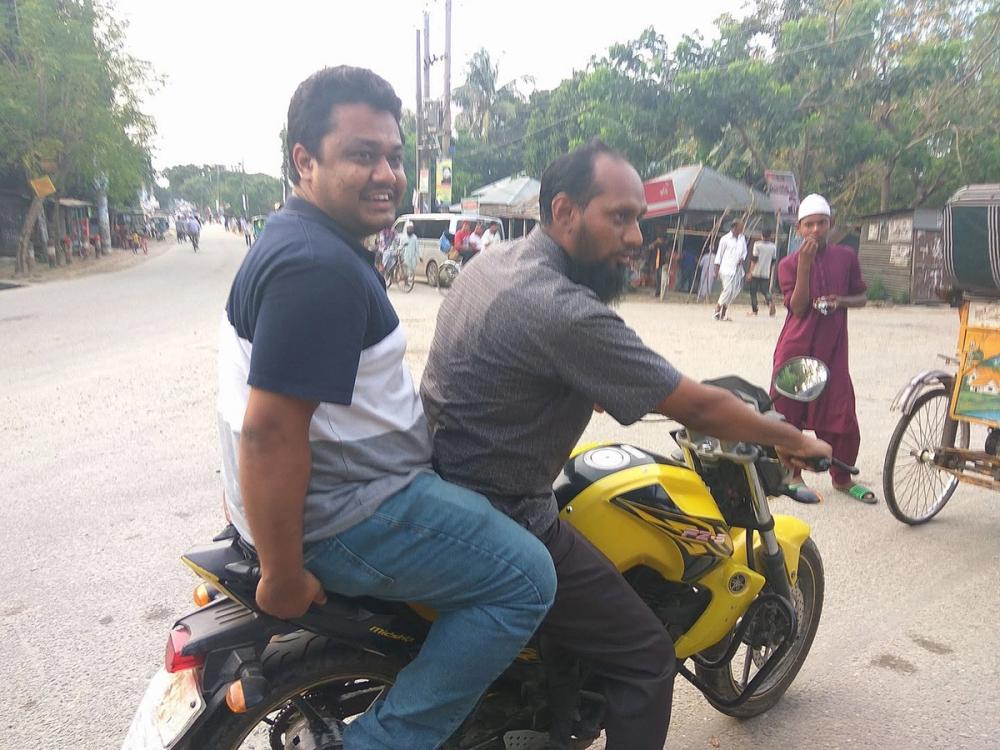
We were spending a lot of effort bringing new people into ROBU, but Sakib and I noticed we had almost no system for bringing old people back. Alumni rarely came to our events, and there was not much of a connection between current members and the people who had already graduated. So we started making a point of inviting them whenever we had an event and whenever it was practical for them to join.
It was a small thing, mostly phone calls and invitations, but over time it gave the club a much better relationship with its alumni. For us, making ROBU more visible was not only about attracting new students. We also wanted the people who had built parts of it before us to still feel welcome around it.
We also started visiting schools again to encourage younger students, kept competition teams active, and made space for technical groups that were not formally our projects. If a team needed somewhere to work, we wanted the club room to be useful to them. Projects around satellites, robotics, and other hardware work kept crossing paths with ROBU.
At the same time, we were working heavily on BRACU Duburi, an autonomous underwater vehicle project that eventually became a much larger story of its own. I am deliberately not telling that story here. The important part for this one is that several of us in the management were spending enormous amounts of time on Duburi while the club still had to keep running.
That became a useful test of everything we were trying to build. The workshops continued because other people could teach them. Competition preparation continued. Events continued. The club was becoming less dependent on the people at the top.
The unofficial side of running a university robotics club
Some parts of this story were official. We had positions, departments, faculty advisors, budgets, events, and university approvals.
Some parts happened much more quietly.
Basics of Robotics was always a free workshop. Students did not have to pay us to attend. They did, however, need components if they wanted to build along with the sessions. We provided a component list, and anyone was free to buy those parts from anywhere.
But a workshop with dozens of students also gave us purchasing power. We would take the same component list to small robotics businesses and ask a simple question: if many students buy this package from you at once, what price can you give us?
The difference between the normal retail total and the bulk package price created a modest margin. I do not remember the exact numbers anymore. In my memory, it could be a couple of hundred taka per package. With a large workshop, that became meaningful money for a student club.
It was informal, and I am not going to pretend it was some carefully designed university funding model. It was simply one of the ways we kept the club moving when the official process was too slow. The money went back into club activities: project expenses, last-minute competition needs, extra club-fair spending, and sometimes taking people out for food after they had worked through an event.
We never treated it as personal income.
There was another thing I did quietly with the same money. I started giving small payments to some of the people teaching the workshops.
I had also started noticing that the people we depended on most were usually the people everyone else depended on too. These instructors were students with classes, projects, personal expenses, and sometimes part-time work. I knew the amount we could give them was nowhere close to the value of the hours they were putting in, and most of them probably would have taught without being paid anyway.
That was not the point. It was a small acknowledgement that their time had value. If it covered a few meals, some transport, or reduced even a tiny amount of pressure, I was happy.
That same instinct extended beyond club members. After some events, I would sometimes take the guards and cleaners to a nearby restaurant for a simple meal. Clubs often shared leftover event food with staff, but I wanted something a little more personal than that. I did not want the people who opened rooms for us, cleaned up after us, and dealt with our strange working hours to feel like they were outside the club simply because they were staff.
Robotics rarely followed a normal schedule. There were times when we needed access absurdly early, stayed much later than expected, or suddenly needed help with something around the building. The guards and cleaners were often the people who made those situations easier. Over time, the relationship became much warmer than the usual student-staff interaction. They knew us, we knew them, and they treated ROBU with a kind of affection that never appeared in an organizational chart.
None of this was written into a grand management plan. We were students trying to make a student organization sustainable with the resources we had.
Retention had very little to do with meetings
Recruitment was never our biggest problem. In a semester, a club could bring in close to a hundred new members. Keeping them was much harder.
If ninety students joined, perhaps half would still be around after the first semester. Later, maybe twenty would become the people who consistently showed up, worked on events, taught others, built projects, and eventually ran departments themselves.
We tried to give those people work worth staying for. Workshops gave beginners a way in. Competitions gave them something concrete to chase. Projects gave them ownership. Departments gave them responsibility.
But there was another part that would never appear in an organizational chart.
There were several tea stalls in front of BRAC University. Like regulars at a coffee shop, different groups naturally ended up at different stalls. ROBU people gradually had places where everyone knew they could find someone else from the club.
The relationship did not stop when university closed for the day. We would stay outside talking. On weekends, groups of us would go somewhere together, often to 300 Feet Road. People who had spent the week building robots, designing posters, handling sponsorships, or organizing events would spend the weekend annoying the same people voluntarily.
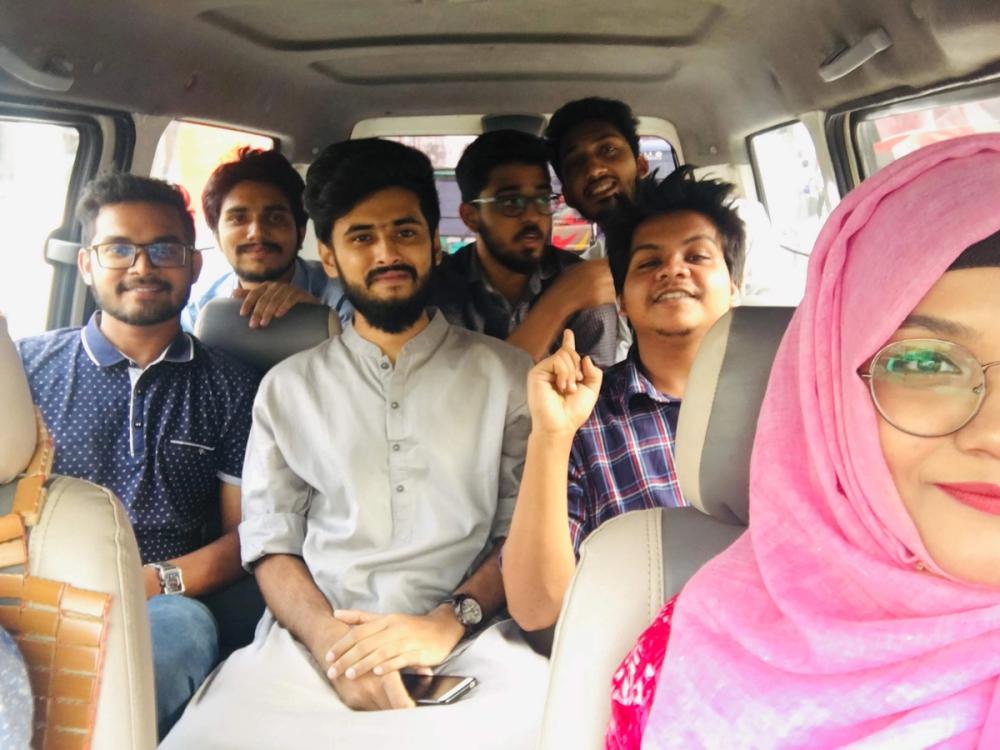
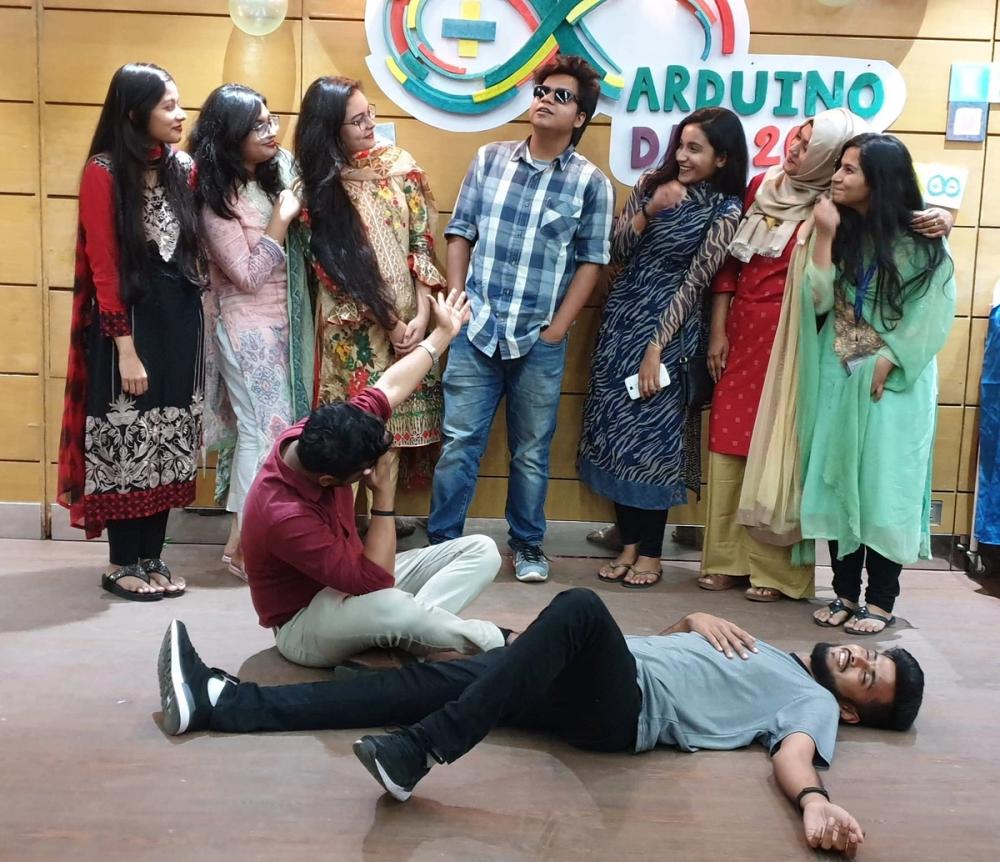
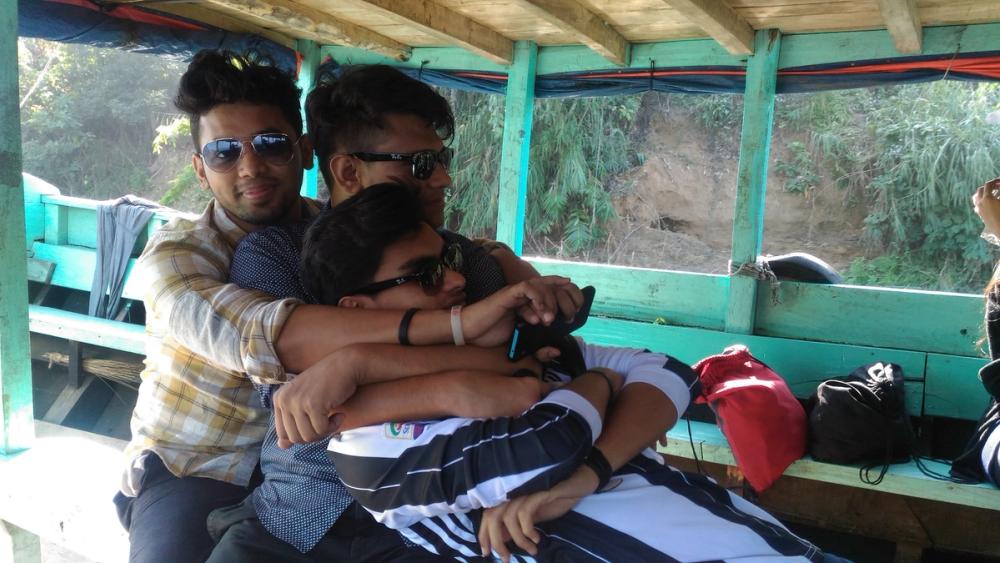
We encouraged department heads to look after promising people in the same way. Not just give them tasks. Know them. Include them. Make sure a talented junior did not quietly disappear because nobody noticed them.
That social side mattered more than I understood at the time. People were much more willing to work hard beside people they genuinely liked being around.
People were not working with us because of our titles
By then, younger members were no longer simply students attending our workshops. Some were taking on real work, helping with events and projects, teaching others, and gradually becoming people we could trust with responsibility.
Many of them also helped with ROBU while working with us on Duburi. At one stage, we explicitly told some of them that there would be no place for them on the upcoming competition trip. They still kept working. I will give them the credit they deserve when I tell the Duburi story properly.
What matters here is what that taught me much later.
People were not working with us because we were the club management. Most of them had trusted us before we had those titles.
Some knew us because we had taught them robotics. Some had gone to competitions with us. Some had spent nights building things beside us. They had seen us fail, improvise, fix things, and come back the next day.
The title gave us authority on paper. The relationships were what made delegation work.
The year when I became less necessary
By the end of 2017, the club had grown substantially. We had recurring workshops, competition preparation, project showcases, active departments, and a much larger group of students around us.
In early 2018, we took BRACU Duburi to SAUVC and finished seventh. For us, that result mattered enormously because this was the first autonomous underwater vehicle project of its kind that we had tried to build from Bangladesh.
When we returned, ROBU felt busier than ever. There were workshops, competition teams, projects, events, and people constantly working in the club room.
Increasingly, I was not the person doing the visible work.
By then, the people running departments and activities were managing most of the club extremely well. Sakib and I were still there, problems still reached us, and there were certainly hiccups. But much of my own work had moved into the background: deciding what needed attention, finding people who could own it, helping remove blockers, talking to faculty members, and stepping in when something actually needed us.
That also gave me room to spend more time on Duburi, my thesis, and finishing university without the club slowing down around me.
For me, that was one of the clearest signs that the previous year had worked.
The people who made running the club easier
Looking back, one reason I could gradually move into the background was that there was never just one person carrying ROBU. We had an immediate group around us who already knew the club and whom we trusted enough to give real ownership.
Most of these people did not suddenly appear when I became president. I had already met and worked with many of them through trips, workshops, events, competitions, graphics work, and projects. I have mentioned different parts of those relationships across the earlier posts in this series.
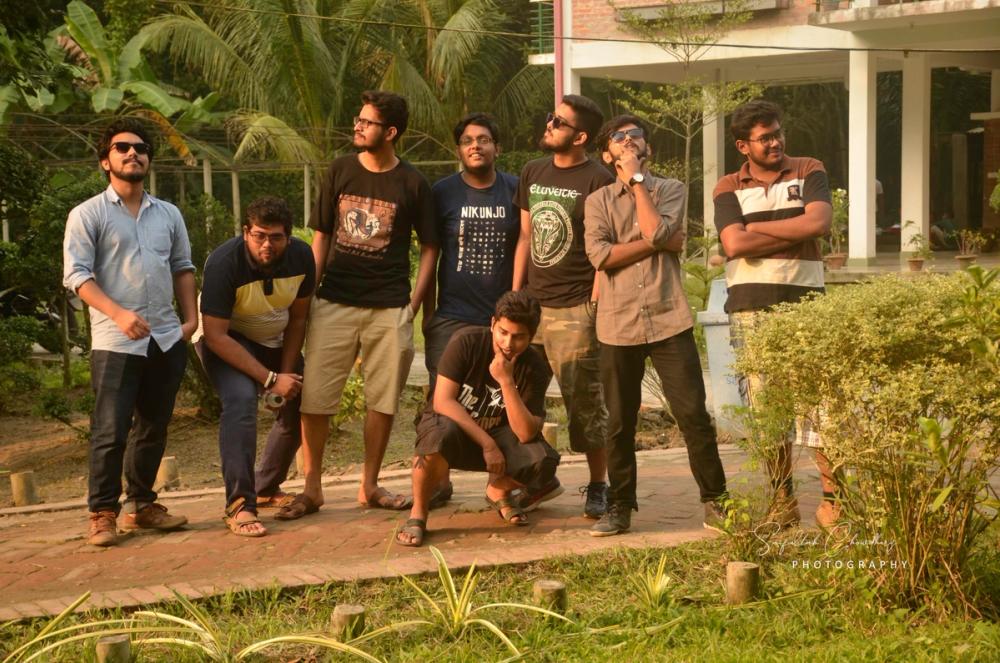
Farabi understood people and events better than Sakib and I did. Arko was excellent with mechanical work, physical builds, and turning an empty space into something that looked like a robotics event. Riyad handled finance and sponsorship conversations. Muntasir was strong with events. Rafat was excellent at digital design and technically strong too, and with Pinon and Ahnaf around him, the creative side became something we could delegate with very little supervision.
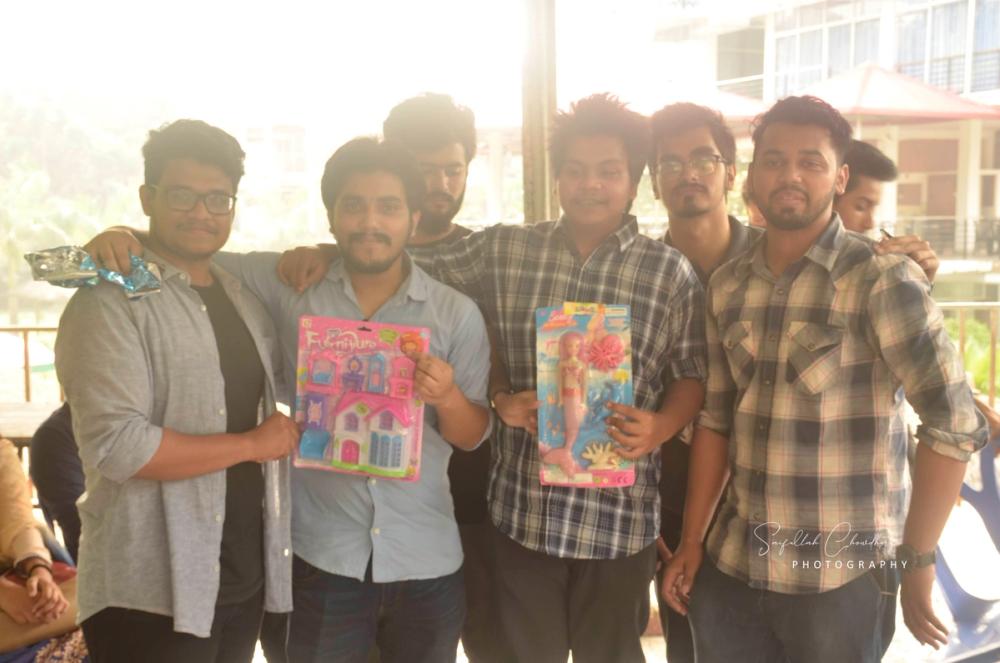
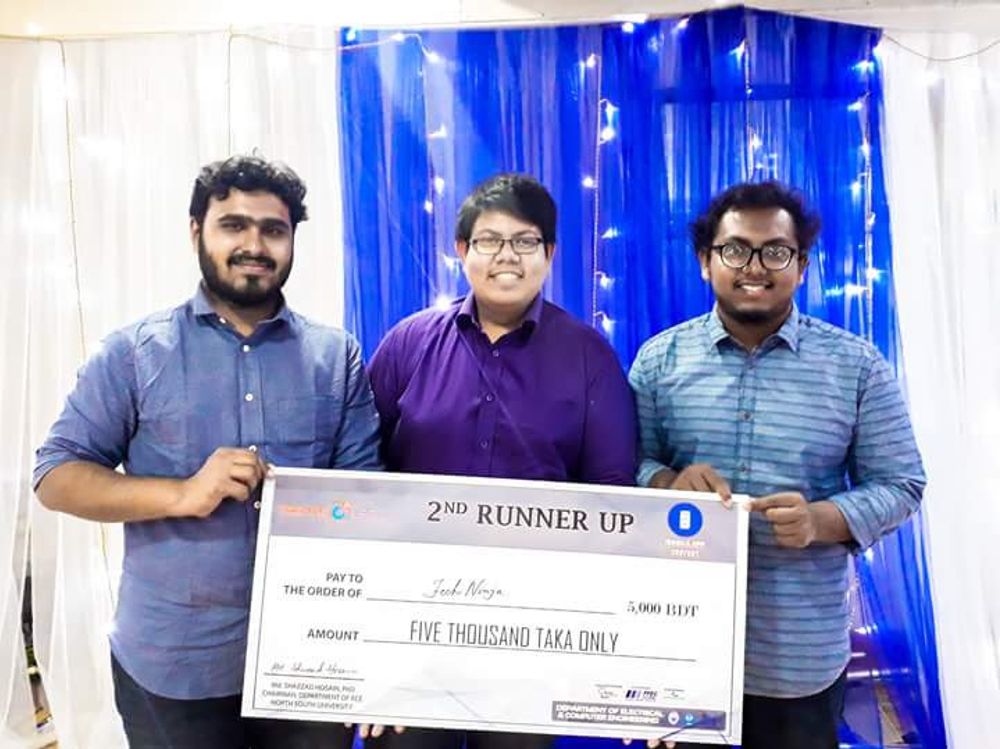
Sharika, Fariha, and Rowshni handled much of the HR and writing work. Technical teams needed proposals, reports, applications, recruitment material, and a surprising amount of text. They made our rough explanations readable. We also had systems helping them. I had built an earlier web portal for recruitment and HR work, and later Rafat replaced it with a much better system. That was exactly what I wanted. If someone could replace something I had built with something better, the club was improving.
Behind them, another group was already growing into those roles. Elham, Shemonto Das, Anik, Adil Hossain, Sumaiya Hannan, and others around them were no longer simply juniors attending workshops. They were becoming people who could take responsibility themselves.
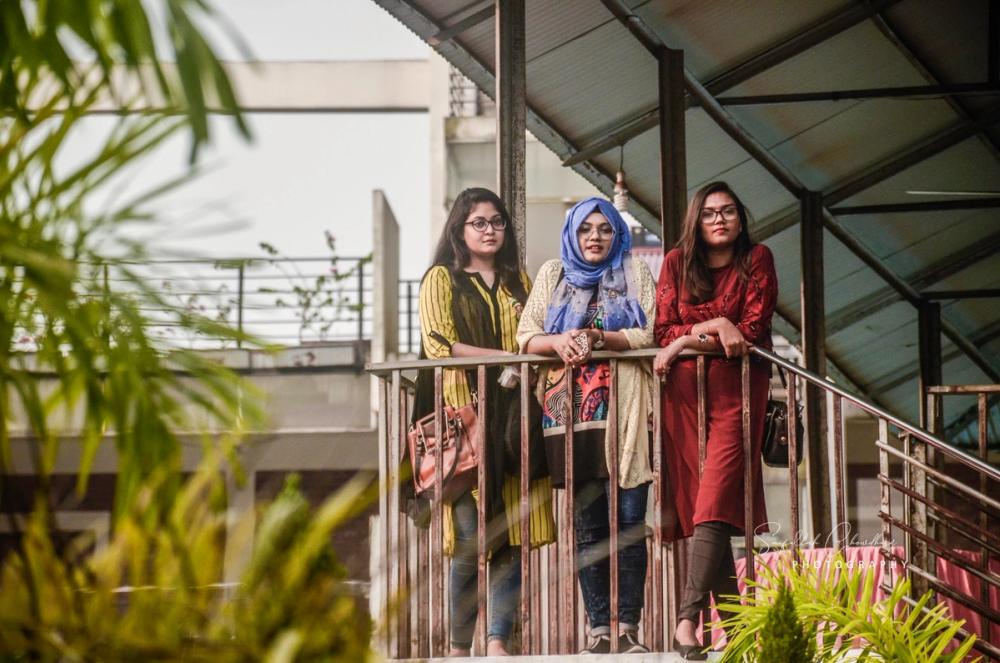
Sumaiya stood out from the beginning. She was from CSE and, unlike most freshers who needed time before speaking up in a room full of seniors, she seemed to have no such hesitation. She would stand up, talk to anyone, argue her point, and move around with a confidence that made her difficult to miss. That is how she ended up with the nickname "Picchi Hannan," a stupid affectionate joke among us because she carried herself with a slightly gangster-like confidence. Later she became Director of Creative and managed that team very well.
Then there were people even younger than that group. Fahim Abrar was one of them. He was my flatmate, one of my closest juniors, the tallest person I remember from university, and possibly one of the laziest. I can write that because I am reasonably confident he will complain and then forgive me.
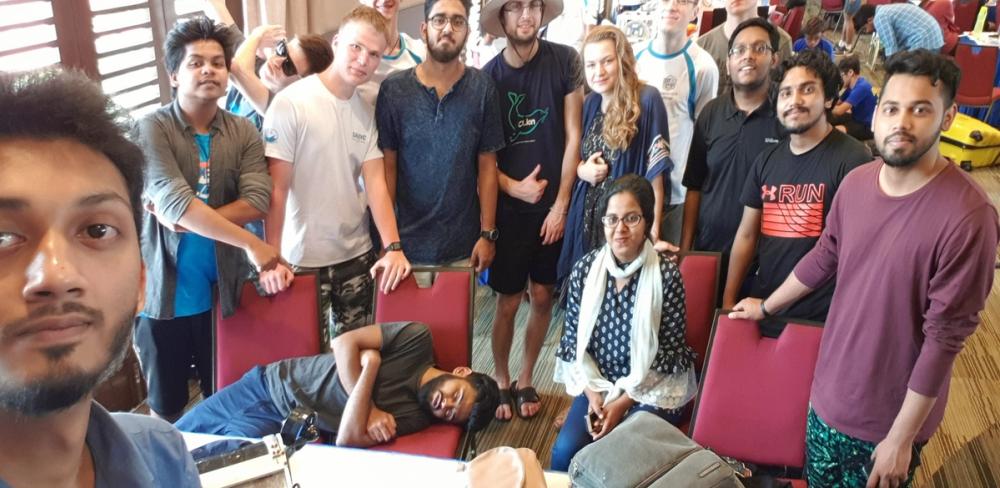
That layering mattered. People who had once been juniors became department heads, mentors, and eventually the people capable of running the club. By the time I was stepping back, there were already people ready to take ownership and carry things forward.
Why I could afford to look lazy
By 2018, I was doing much less of the visible work than I had in the earlier years of ROBU. I was no longer constantly at the centre of workshops, competition preparation, events, or whatever the club was building that week.
My role had shifted. A lot of my work now happened in the background: noticing what needed attention, finding someone who could own it, making sure they had enough freedom and resources to do the work, and stepping in when something was actually blocked.
Sometimes that meant talking to faculty members. Sometimes it meant finding money for something the official process could not fund quickly enough. Sometimes it meant convincing someone to take responsibility, connecting the right people, or simply making sure good people stayed close to the club long enough to become the people running it.
I did not think of any of this as a management philosophy at the time. We were students trying to keep a club alive and make it better.
Years later, I realized that this was probably why I could afford to look lazy.
I sometimes joke that I became the laziest president ROBU ever had. But I think the better version is that I slowly learned where I did not need to be.
Leaving something that no longer needed me
I stayed in the role for two years, longer than the usual one-year term, partly because I took an extra year to finish university. By then, though, staying president did not mean being involved in every decision. The club had enough people who could make those decisions themselves.
By the time I was preparing to leave, the Robotics Club of BRAC University had around three hundred members.
That growth belonged to the people taking workshops, running departments, organizing events, mentoring juniors, finding sponsors, designing things, building projects, and making the club somewhere students wanted to remain after they joined. Seeing it mattered to me because it meant the systems and relationships we had been putting in place were working.
When it was time to hand over, Arko became the next president and Riyad became vice president, with Ahnaf among the people around that next management group. Rafat would have been an obvious person to keep pulling upward too, but he had his own startup and other things he wanted to focus on. One of the things I respected about that group was that they knew when to take responsibility and when not to.
That made leaving easier.
Arko taking over also gave us a good continuation. After him, Shemonto Das became president. There was a real line of people who could take the club forward, which was exactly what I wanted to see before stepping away.
Once I had handed over, I was also careful not to become the alumnus who kept poking into every management decision. The club belonged to the people running it then. If they wanted me around, I was there. But I did not want my old title hanging over their choices.
When we had taken over, the club was small enough that losing a few people could change everything. When I left, workshops had their own instructors, departments had people making decisions, younger members were already teaching even younger members, and the next group was capable of running the club in ways I probably would not have thought of.
I had gone into management afraid that it would pull me away from building things. Instead, I found that building a team was not completely different from building a project. Start something. Find good people. Give them real ownership. Help quietly when something blocks them. Then make yourself less important.
Some of that happened through official meetings, budgets, faculty conversations, and organizational charts. A lot of it happened through tea stalls, weekend hangouts, component packages, small payments nobody outside the workshop knew about, and trusting someone enough to stop checking their work.
By the end, ROBU was not just the club where I had learned robotics. It was where I had learned how much could happen when people felt that something belonged to them too.
Stepping away from management did not mean disappearing from the people. As long as I was still in Bangladesh, I stayed close to the club. I went to St. Martin with them, joined weekend trips, and kept showing up socially long after I had any official role.
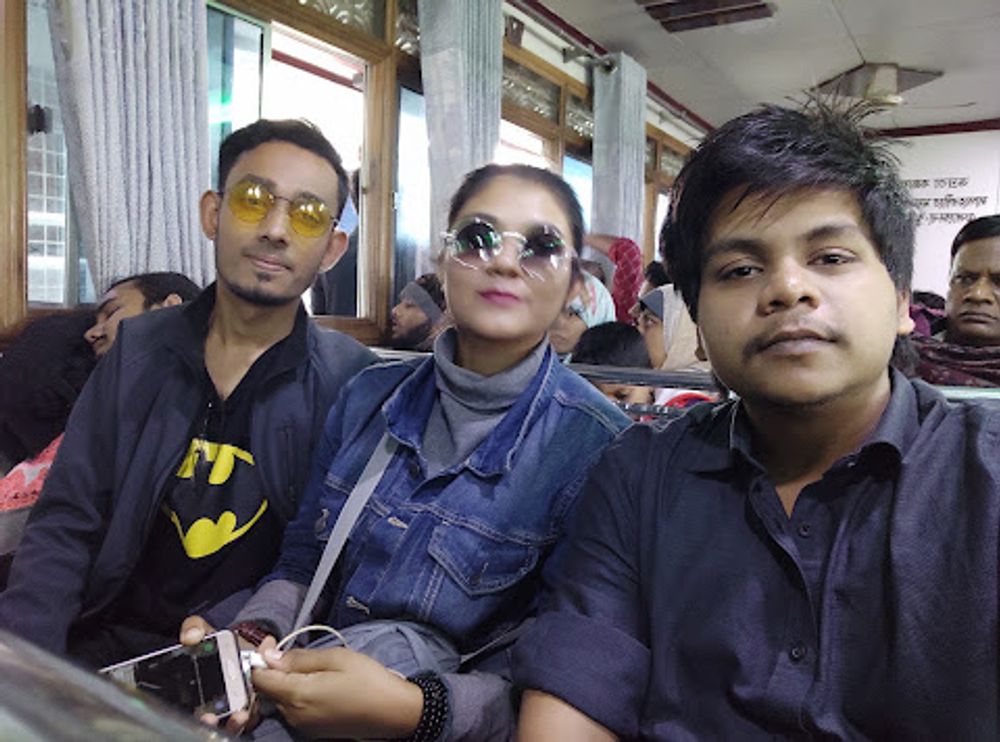
The connection lasted in much less serious ways too. Two or three years after university, I somehow ended up spending three or four months regularly playing Valorant with a group of ROBU members. I do not even remember how I joined their group. I just did, and suddenly we were spending nights in the same voice chat again.
I am still connected with many of them now, even if most of that connection has moved to social media and occasional conversations. I definitely miss that group. Calling ROBU my first family in Dhaka was never only about what happened inside the university.
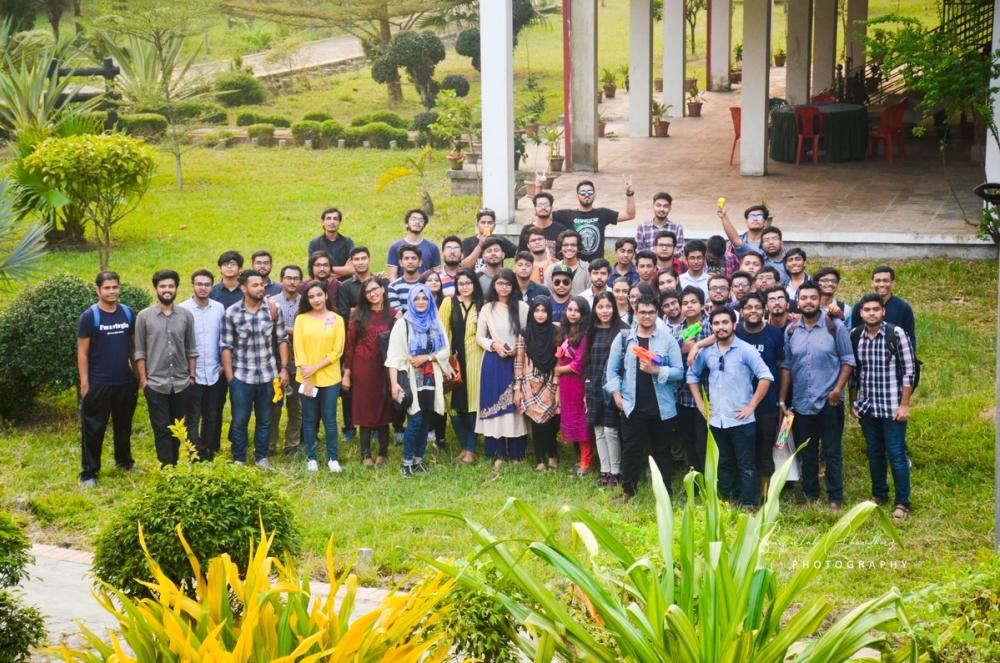
I used to call it my club life. That stopped feeling accurate a long time before I graduated.
In Dhaka, it had become my first family.
And then, like the seniors before me, it was my turn to leave.